Destination guide
Last updated: June 15, 2026Global London and much more — from wild Scotland to cathedrals and the best Afrobeats scene outside Africa. Home to huge Nigerian and Ghanaian communities. Note: the UK is outside Schengen, with its own entry rules. Here is the essential, verified.
Travel essentials
The UK is NOT part of Schengen — entering here does not count towards the EU 90-day limit, and the European ETIAS/EES does not apply. Instead there is the ETA (Electronic Travel Authorisation): since 2026 it is mandatory for all visa-exempt travellers, including EU and Brazilian citizens. The ETA is not a visa — you apply online, it is valid for about 2 years (multiple entries, stays up to 6 months) and costs an electronic fee. Passports from Cabo Verde, Angola, Guinea-Bissau, Nigeria, Ghana and Senegal, however, need a UK Standard Visitor visa — an ETA is not enough. Always confirm at the official source (GOV.UK) before travelling.
| Passport | Entry rule | Max stay |
|---|---|---|
| EU / EEA / Switzerland | ETA required (electronic authorisation, not a visa) | up to 6 months |
| Brazil | ETA required (visa-free, but ETA needed) | up to 6 months |
| Cabo Verde · Angola · Guinea-Bissau · Nigeria · Ghana · Senegal | UK Standard Visitor visa — an ETA is not valid | up to 6 months |
⚠️ Border rules change without notice. Always confirm with the official source (consulate, immigration, travel.state.gov, gov.uk, Portal das Comunidades) before travelling.
Health
No vaccinations are required. There is no European €30,000 insurance requirement, but travel insurance is strongly recommended — UK NHS treatment can be charged to non-residents. Tap water is safe and medical standards are high.
Passport
The passport must be valid for the entire stay. EU citizens can no longer enter with a national ID card (since Brexit) — a passport is required.
To confirm (not published as fact):
- Exact UK ETA fee (around £16, with a rise to ~£20 reported) — confirm the current price on GOV.UK before stating it as fact.
Arrival & Safety
Airport
London has several airports: Heathrow (LHR), the largest, linked to the centre by the Elizabeth line and the Heathrow Express; Gatwick (LGW), with the Gatwick Express; and Stansted and Luton (low-cost). Manchester (MAN), Birmingham (BHX) and Edinburgh (EDI) serve the rest of the country. The rail network (National Rail) connects everything.
Getting in
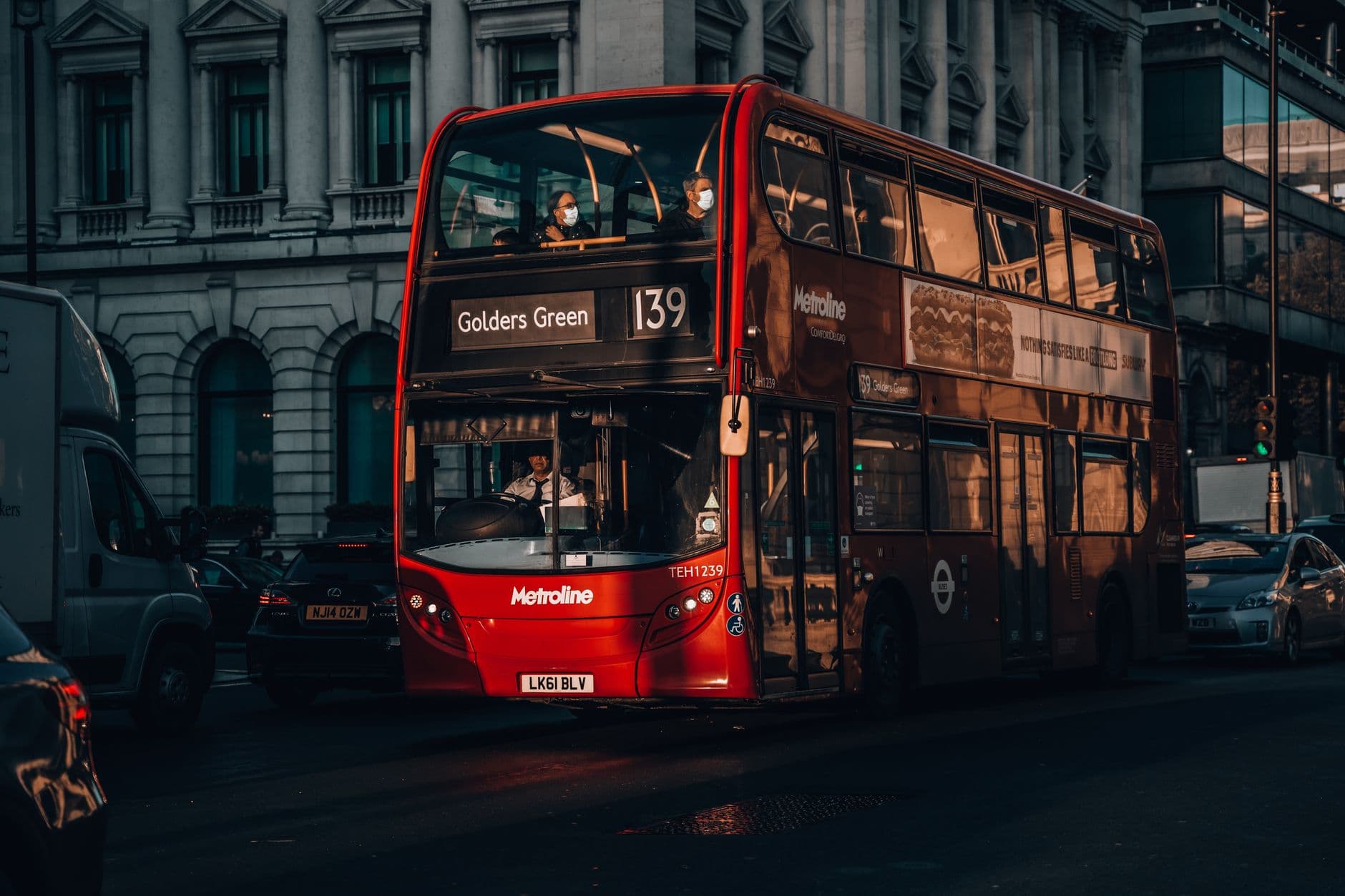
Uber and Bolt operate in London and the big cities, alongside the iconic black cabs (reliable but pricier). In London, pay for the Underground, bus and urban rail with a contactless card or Oyster — don’t buy paper tickets. Driving is on the left; when crossing, look right first.
Safety
The UK is at Level 2 (US), mainly for the diffuse terrorism risk common to Europe. Day to day, the concern is pickpockets in London tourist areas (Oxford Street, the Underground, Camden) and phone theft by moped/bike snatchers — don’t hold your phone near the roadside. Otherwise, it’s a safe destination with common sense.
⚠️ Border rules change without notice. Always confirm with the official source (consulate, immigration, travel.state.gov, gov.uk, Portal das Comunidades) before travelling.
Money
Currency: pound sterling (£) — NOT the euro. The UK is nearly cashless: cards and contactless work everywhere, including buses and the London Underground. Avoid airport exchange desks (poor rates). You don’t need much cash, but some is handy at markets and old pubs.